
High blood pressure is often called the “silent killer” because it usually has no symptoms. Many people feel fine for years while high blood pressure quietly damages their heart, blood vessels, kidneys and brain. The good news: it is easy to check, and there is a lot you can do to control it.
What do the numbers mean?
A blood pressure reading has two numbers, such as 118/76.
- The top number (systolic) is the pressure in your arteries when your heart beats.
- The bottom number (diastolic) is the pressure between beats, when your heart rests.
The American Heart Association and American College of Cardiology use these categories for adults:
- Normal: less than 120 and less than 80
- Elevated: 120 to 129 and less than 80
- Stage 1 high blood pressure: 130 to 139, or 80 to 89
- Stage 2 high blood pressure: 140 or higher, or 90 or higher
If your reading is higher than 180/120, wait one minute and check again. If it is still that high and you have chest pain, shortness of breath, back pain, numbness or weakness, a change in vision or trouble speaking, call 911. If you have no symptoms, contact your doctor right away.
Why it matters
Over time, high blood pressure raises your risk of heart attack, stroke, heart failure, kidney disease and memory problems. In the United States, Black adults develop high blood pressure more often and at younger ages than other groups, which makes regular checks especially important in our community.
How to check your blood pressure at home
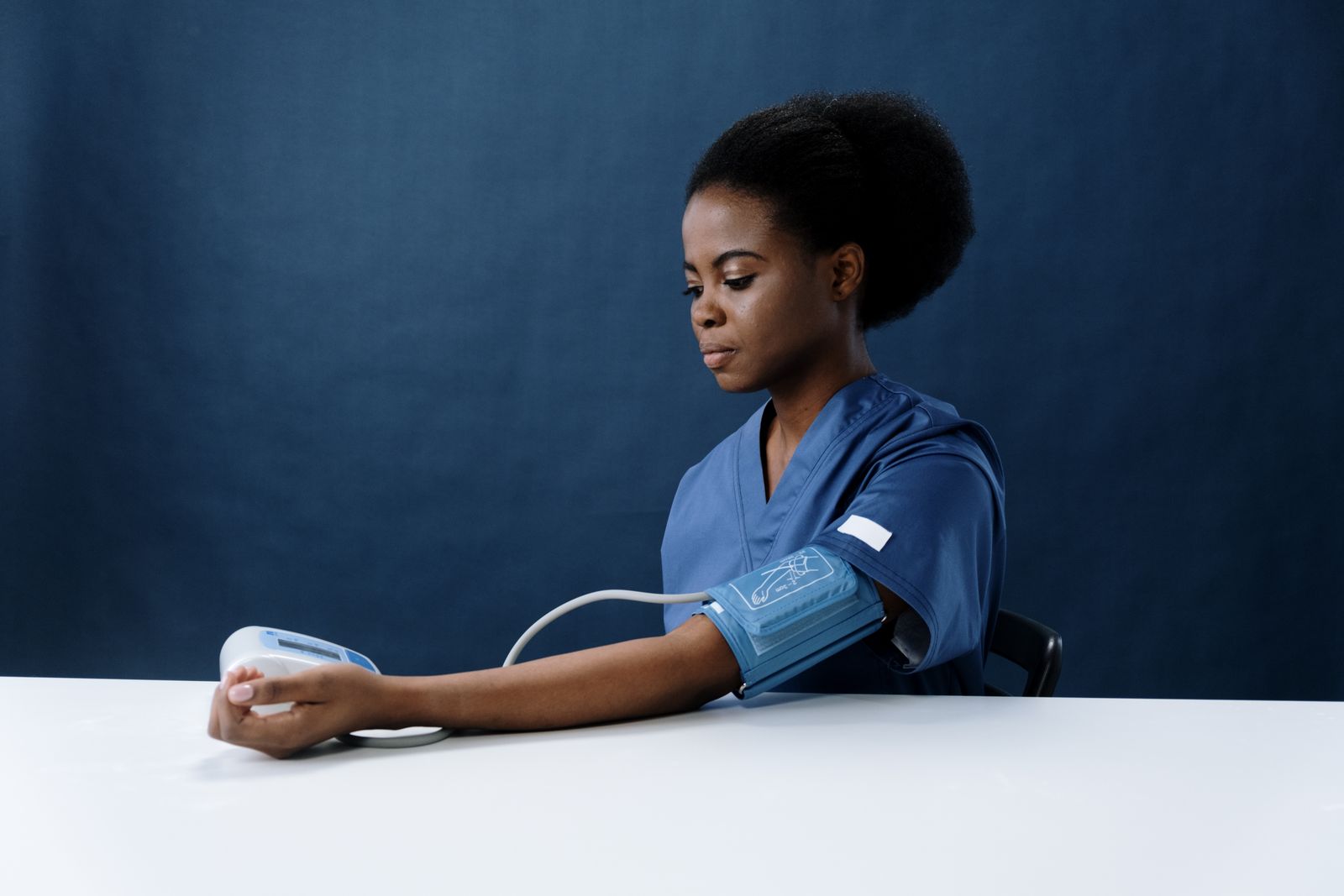
A home monitor with an upper-arm cuff is a great tool. For the most accurate reading:
- Avoid caffeine, smoking and exercise for 30 minutes before you measure.
- Use the bathroom first.
- Sit quietly with your back supported and feet flat on the floor for 5 minutes.
- Rest your arm on a table so the cuff is at heart level, on bare skin.
- Make sure the cuff is the right size for your arm.
- Do not talk while measuring.
- Take two readings, one minute apart, and write them both down.
Check at the same times each day, such as morning and evening, and bring your log to your next doctor visit. Many pharmacies can also check that your monitor reads correctly.
Everyday habits that help
Small changes can lower blood pressure, sometimes as much as a medication:
- Cut back on salt. Most salt comes from packaged, canned and restaurant foods. Read labels and choose “low sodium” options.
- Eat more fruits, vegetables, beans and whole grains. These are rich in potassium, which helps balance salt.
- Move your body. Aim for about 150 minutes of moderate activity a week, such as brisk walking.
- Limit alcohol.
- Do not smoke, and avoid secondhand smoke.
- Get enough sleep and find healthy ways to manage stress.
- Reach or keep a healthy weight. Even a small weight loss can help.
If you take blood pressure medicine
Follow the plan you and your doctor have agreed on, and talk with your doctor before making any changes. If you have side effects or questions, tell your doctor; there are often other options. Bring all your medicines, including over-the-counter pills and supplements, to your appointments, because some cold medicines and pain relievers can raise blood pressure.
Know your numbers
Write down your most recent reading and your goal, and ask your doctor what your target should be. Knowing your numbers is the first step to protecting your heart.
Interested in clinical research?
Pivotal Research Solutions is a clinical research site in Lithonia, GA. If you would like to hear about research studies that may be a fit for you, join our Study Interest List. Joining is free, takes about two minutes and does not sign you up for any study. Questions? Call 678-825-2887 or email contact@pivotalrs.com.
Sources
- American Heart Association: Understanding Blood Pressure Readings
- American Heart Association: The rules for measuring blood pressure
- American Heart Association: How to Manage Blood Pressure Fact Sheet
This article is for general education only and is not medical advice. Talk with your own doctor or health care provider about what is right for you.